




Sale!

Original price was: $87.00.$26.10Current price is: $26.10.
Sale!
Original price was: $75.00.$22.50Current price is: $22.50.
Sale!
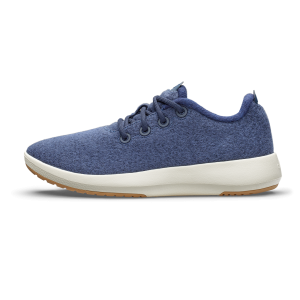
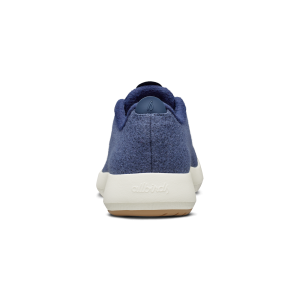
Original price was: $75.00.$22.50Current price is: $22.50.
Sale!
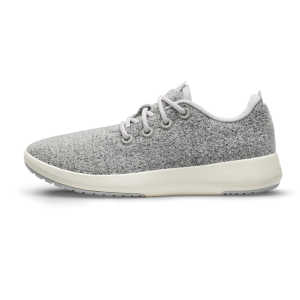
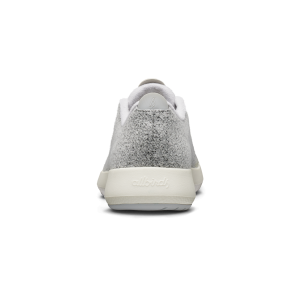
Original price was: $75.00.$22.50Current price is: $22.50.
Sale!
Original price was: $75.00.$22.50Current price is: $22.50.
Sale!
WOMEN
Original price was: $84.00.$25.20Current price is: $25.20.
Sale!
WOMEN
Original price was: $100.00.$30.00Current price is: $30.00.
Sale!

WOMEN
Original price was: $100.00.$30.00Current price is: $30.00.
Sale!
Original price was: $110.00.$33.00Current price is: $33.00.
Sale!
Original price was: $110.00.$33.00Current price is: $33.00.
Sale!
Original price was: $110.00.$33.00Current price is: $33.00.
Sale!
Original price was: $110.00.$33.00Current price is: $33.00.
Sale!
Original price was: $110.00.$33.00Current price is: $33.00.
Sale!
Original price was: $140.00.$42.00Current price is: $42.00.
Sale!
Original price was: $140.00.$42.00Current price is: $42.00.
Sale!
Original price was: $140.00.$42.00Current price is: $42.00.
Sale!
Original price was: $160.00.$48.00Current price is: $48.00.
Sale!
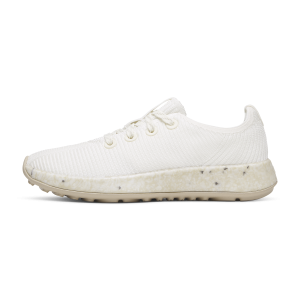
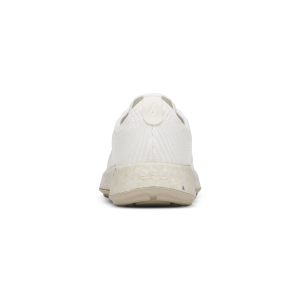
Original price was: $140.00.$42.00Current price is: $42.00.
Sale!
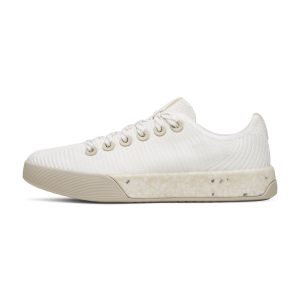
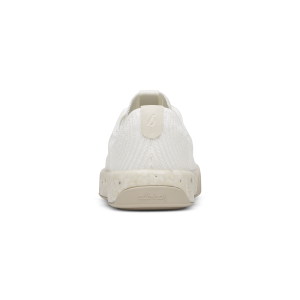
Original price was: $140.00.$42.00Current price is: $42.00.
Sale!
Original price was: $135.00.$40.50Current price is: $40.50.
Sale!


Original price was: $135.00.$40.50Current price is: $40.50.
Sale!
Original price was: $135.00.$40.50Current price is: $40.50.
Sale!

Original price was: $135.00.$40.50Current price is: $40.50.
Sale!
Original price was: $135.00.$40.50Current price is: $40.50.
Sale!
WOMEN
Original price was: $125.00.$37.50Current price is: $37.50.
Sale!

WOMEN
Original price was: $125.00.$37.50Current price is: $37.50.
Sale!

WOMEN
Original price was: $125.00.$37.50Current price is: $37.50.
Sale!
WOMEN
Original price was: $110.00.$33.00Current price is: $33.00.
Sale!
WOMEN
Original price was: $110.00.$33.00Current price is: $33.00.
Sale!
WOMEN
Original price was: $110.00.$33.00Current price is: $33.00.
Sale!

WOMEN
Original price was: $110.00.$33.00Current price is: $33.00.
Sale!
WOMEN
Original price was: $110.00.$33.00Current price is: $33.00.
Footwear as Cultural Canvas
From Utility to Icon: The Unparalleled Cultural Journey of the Sneaker
The item we generically call a “sneaker” or “athletic shoe” has transcended its origins as a piece of purely functional athletic equipment to become one of the most significant and pervasive cultural artifacts of the modern era. Its journey from the gym floor and the athletic track to the runway and the collector’s display case is a compelling narrative of style, identity, and social commentary. It is a canvas on which generations have painted their aspirations, rebellion, and belonging.
Initially, these rubber-soled shoes were defined by their quiet utility—their ability to allow one to “sneak” around, hence the colloquial name. They were the footwear of leisure and emerging sports, simple in design and universally accessible. Their ascent to cultural prominence began not in the world of high fashion, but in the vibrant, expressive environments of youth culture and sport. As athletic prowess became a form of aspirational entertainment, the footwear worn by champions gained an immediate, powerful symbolic value. To wear the same shoe as a record-breaking athlete was to symbolically participate in their success, carrying a tangible piece of that ambition and energy.
This growing association with performance and excellence was swiftly adopted by emerging subcultures. In the mid-to-late 20th century, as genres of popular music and street art began to define youth identity, the athletic shoe became a non-verbal declaration. It was a comfortable, durable, and implicitly rebellious alternative to the formal, restrictive footwear of the establishment. The choice of a specific design or colorway became a subtle, yet powerful, uniform. It signaled allegiance to a community—whether it be hip-hop artists, skateboarders, or breakdancers—each group adopting, adapting, and elevating certain styles to iconic status. The shoes were worn less for running and more for expressing a confident, non-conformist attitude.
The true transformation into a fashion staple began when designers and influencers outside the realm of athletics recognized their potent symbolic capital. They saw in the versatile, low-profile design a perfect counterpoint to tailored garments and traditional accessories. The juxtaposition of a highly functional, casual shoe with a sophisticated outfit created an appealing tension, signaling an effortless style that valued comfort and personal expression over rigid formality. This blending of genres, often termed ‘athleisure,’ cemented the athletic shoe’s permanent place in the everyday wardrobe of millions. It became the great equalizer of footwear, equally appropriate for a high-stakes meeting as for a weekend stroll, depending entirely on its material and finishing.
The market responded by diversifying the product far beyond its performance roots. Designers began to explore materials like premium leathers, exotic textiles, and intricate hardware, transforming the utility item into a luxury accessory. The focus shifted from technical specifications to storytelling, limited-edition releases, and collaborative designs. The resulting scarcity and the narrative woven into each release gave birth to the collector culture—a global phenomenon where specific styles are treated with the reverence of fine art. Enthusiasts study model histories, debate the significance of subtle material changes, and pursue rare pieces with intense dedication. This collecting taps into a profound human desire for ownership of history and exclusivity.
Moreover, the athletic shoe has proven to be an incredibly effective medium for social commentary and artistic expression. Its widespread visibility makes it a perfect canvas for graphic artists and collaborators to convey messages, explore unconventional color palettes, and challenge conventional design norms. These collaborations often blur the lines between product design and fine art, with the shoes themselves becoming three-dimensional sculptures that are both wearable and display-worthy. They capture the current zeitgeist, reflecting cultural trends, social movements, and artistic innovations in a way that few other everyday items can.
In conclusion, the sneaker’s enduring reign is a complex success story. It is rooted in its foundational promise of comfortable utility, but its true power lies in its blank-slate adaptability. It started as a functional tool, evolved into a symbol of athletic achievement, and ultimately became a potent emblem of personal style, community identity, and artistic freedom. The shoe on your foot is more than just rubber and fabric; it is a piece of living culture, a chapter in your personal story, and a statement whispered to the world, proving that sometimes, the most revolutionary items are those that simply allow us to move freely.